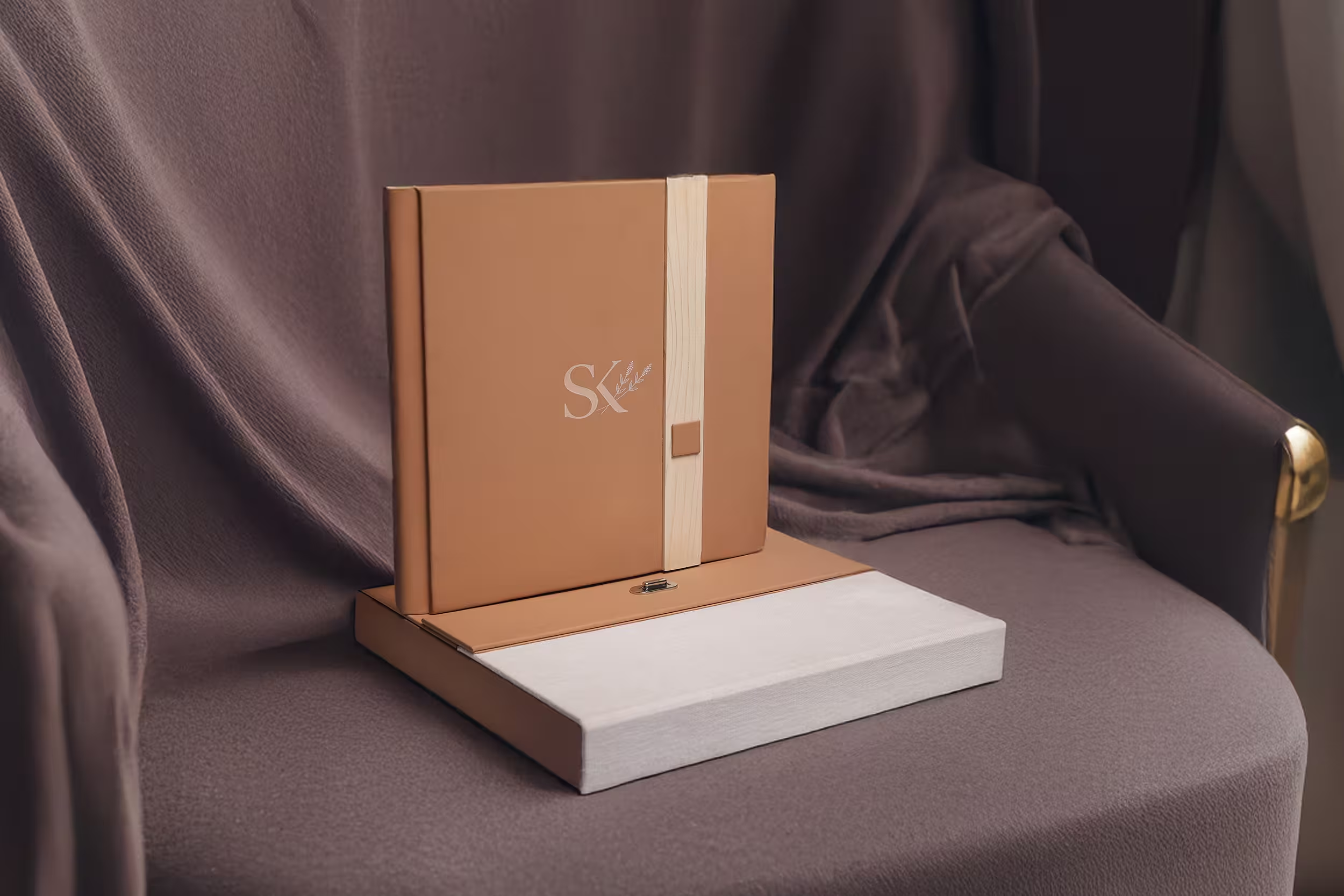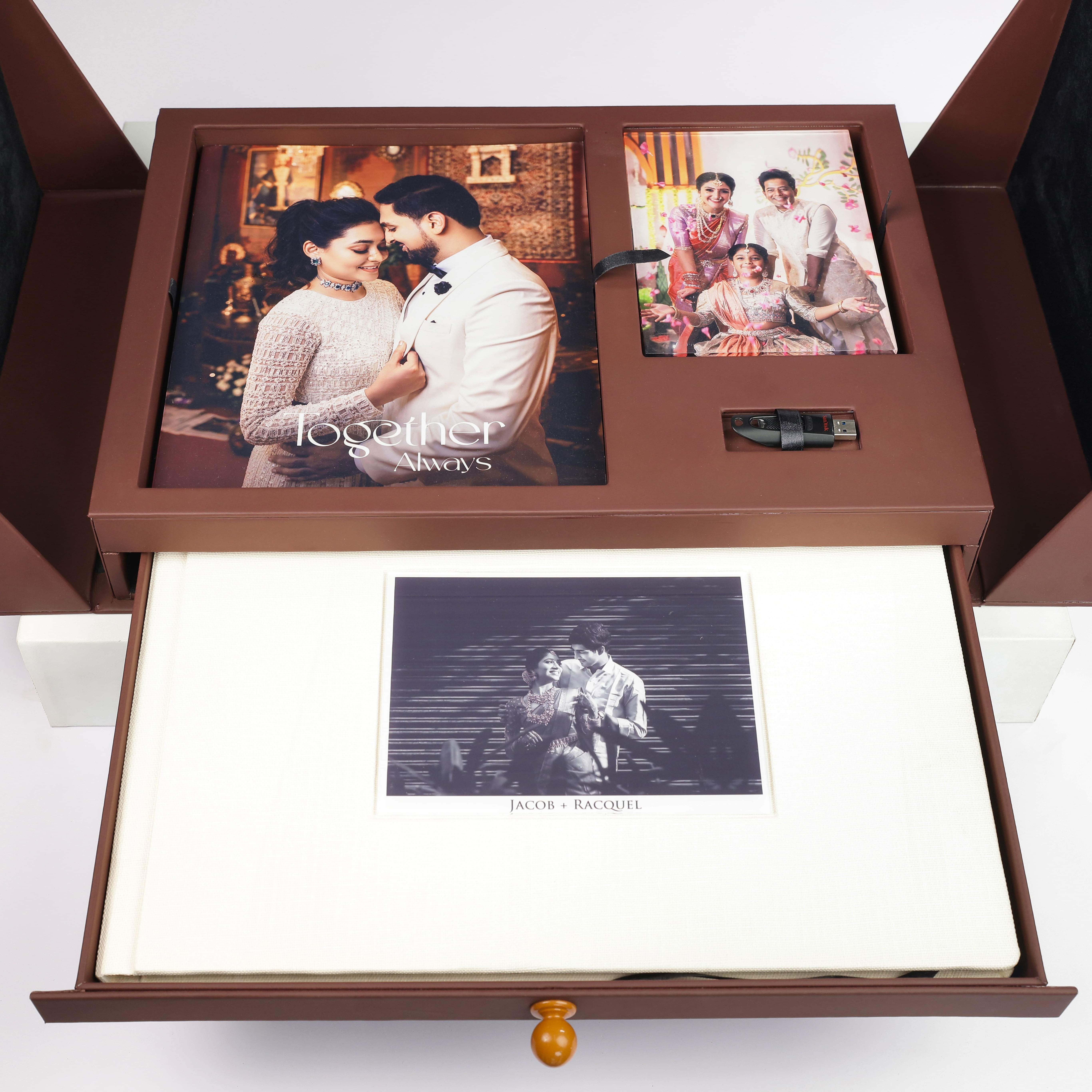
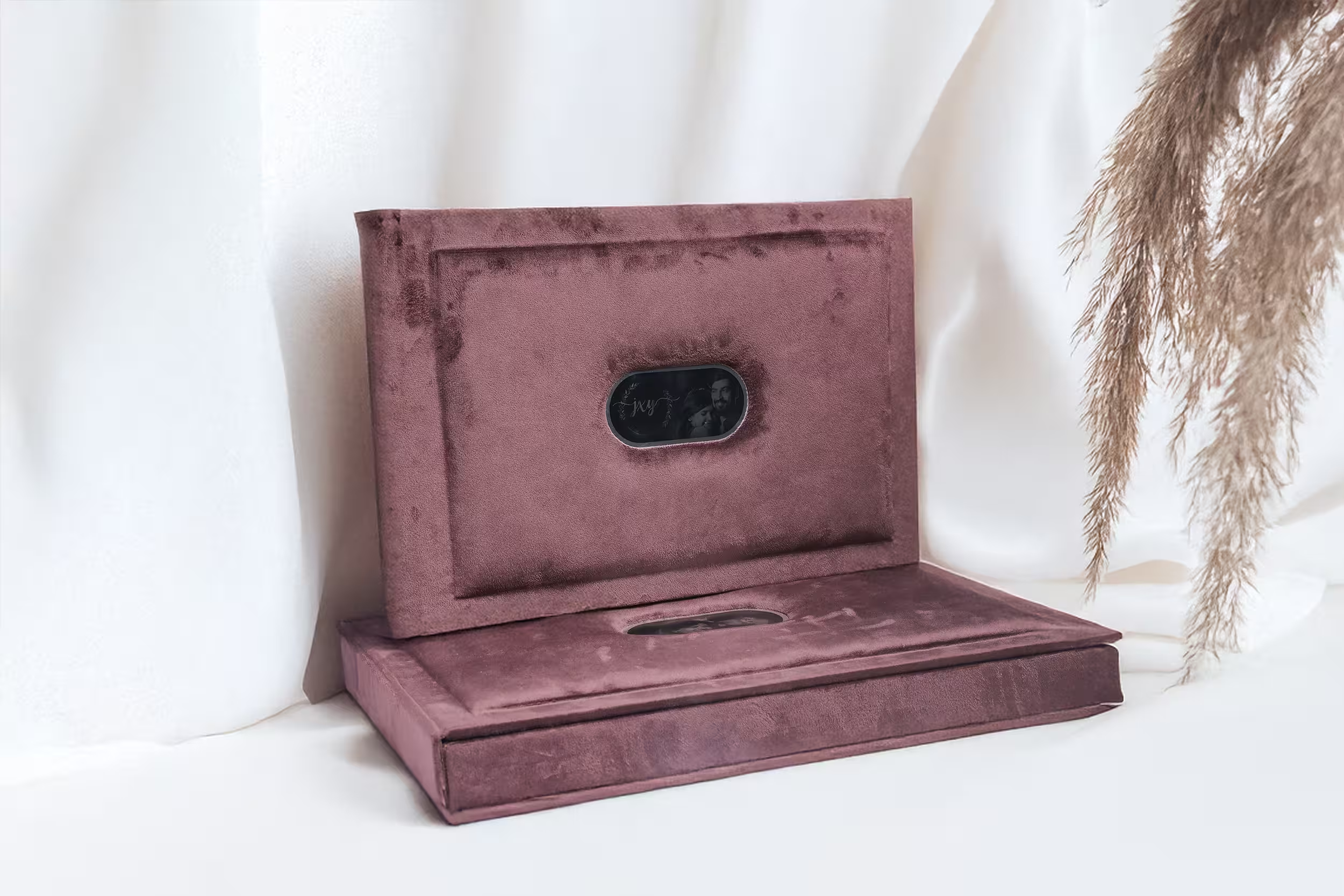
A photographer once sent us two albums back for inspection, five years apart in age but ordered in the same month. Same size, same paper, same spread count. One had been kept in a suede cover, the other in rexine. The rexine book looked almost exactly as it had the day it left our floor. The suede book had a dark bloom across the front where a thumb had rested every time it was picked up. The client loved the suede one. She said it looked used, and that the mark was hers.
That is the whole subject in one story. Cover materials are not better or worse than one another — they simply have different relationships with time. Some resist it. Some record it. Neither is a mistake, but choosing the wrong one for a particular client certainly is.
Rexine: The Workhorse
Rexine is a coated fabric — a woven backing with a polymer surface pressed with a grain. In the trade it is often called leatherette or faux leather, and both names do it a disservice, because a good rexine is not pretending to be anything. It is a purpose-made bookbinding surface, and on the metrics that matter for an album that gets handled, it beats most alternatives outright.
Start with wear. Rexine does not absorb oil from skin, does not lift its nap, and does not darken where fingers land. A damp cloth removes a fingerprint completely. It shrugs off the everyday hazards of a wedding album — a splash of chai, a child's hands, a shelf that runs slightly humid — in a way no natural material can. Our Crest rexine series exists precisely for studios who need that predictability, because an album that is going to be passed around a hundred relatives at a reception needs a surface that forgives.
Then there is range. Because the surface is engineered rather than grown, rexine comes in colours no hide ever will: deep sea blues, off-whites that stay off-white, dusty terracottas, ivories that match a bride's palette exactly. It takes gold and rose-gold foil crisply, holds a deep deboss without cracking at the shoulders of the letters, and accepts a laser-cut window cleanly. And it costs a fraction of leather, which means a high-volume studio can standardise on it, quote confidently, and keep margin.
Its limits are honest ones. A very cheap rexine — the kind sold by weight rather than by grade — will craze at the hinge where the cover folds. That is a sourcing problem, not a rexine problem. Buy a properly graded bookbinding rexine and it will outlast the album's first owner.
Who it suits
High-volume studios. Travel and lifestyle photographers whose books get carried, shipped, and thumbed through in cafés. Destination wedding albums that will spend a week in a suitcase. If you are delivering forty albums a season and cannot personally supervise how each one is stored, rexine protects both the book and your reputation.
Genuine Leather: The Long Game
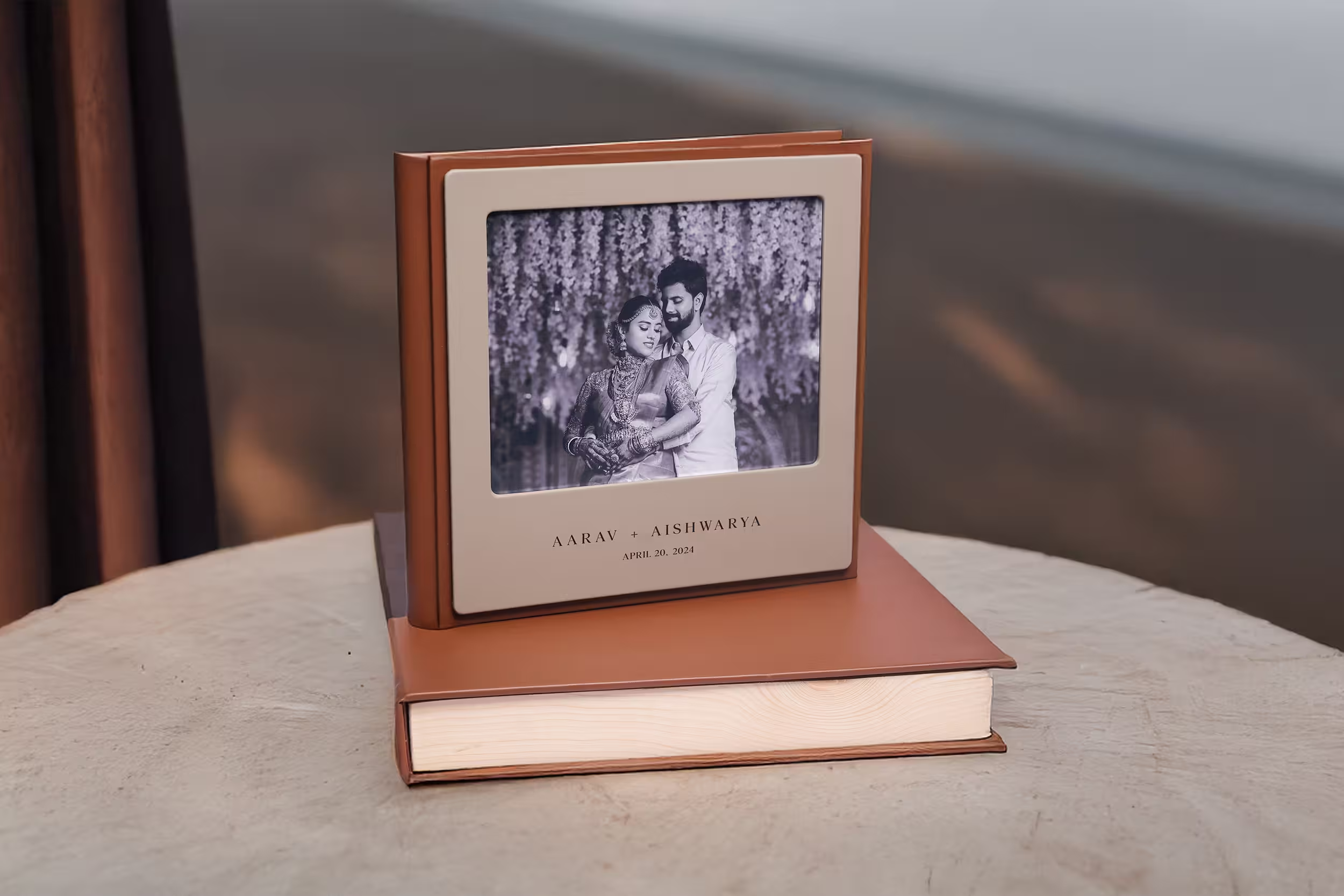
Leather is the only cover material that gets better while it gets older, and everything else about it — the cost, the weight, the care — is the price of that one property. Where rexine stays exactly as it was, leather develops patina: the surface oils redistribute, the high points burnish where hands touch them, and the colour deepens unevenly into something no factory could reproduce. Ten years in, a leather album does not look worn. It looks earned.
Grain matters more than most photographers realise. A full-grain hide keeps the natural markings of the animal — the growth lines, the occasional healed scar, the subtle variation in pore density across a single cover. Clients who have not been told this in advance sometimes read those marks as defects. Clients who have been told read them as proof. The conversation you have at the ordering stage decides which of those two reactions you get, and it takes about thirty seconds. Have it. Our Echelon leather covers are cut from full-grain hides for exactly this reason, and we would rather a studio explain the variation than avoid it.
Leather also photographs beautifully, which is not a trivial commercial point. It has a slight sheen that catches a rim light, an edge thickness you can see, and a weight that somehow reads in a still image even though weight is not a visual property. When you shoot the album for your own portfolio, a leather cover does half the work for you.
The care requirements are real but modest. Leather dislikes direct sun, which fades and dries it; it dislikes prolonged damp, which invites mould into the grain; and it wants a light conditioning every couple of years, which is a five-minute job with a soft cloth. Print those three sentences on a card and you have discharged your duty. The client who spent the most on their book is usually the one most willing to look after it.
Rexine is a promise that the album will look the same in ten years. Leather is a promise that it will not — and that this is the point.
The ZG Bindery Desk
Suede: Softness With a Catch
Suede is the material clients fall in love with in the showroom. It has a nap — a short, raised fibre surface — that catches light in two directions, so brushing your hand across it lightens or darkens the panel like velvet. Nothing else in the material book has that theatre. When a bride touches a suede cover, the sale is usually over.
The catch is that the same nap that makes suede feel expensive is what makes it vulnerable. Oil from fingers flattens and darkens it permanently. Water spots it. A fingernail leaves a burnished line. Unlike leather, suede does not absorb these marks into a pleasing patina — it just collects them, in the exact places hands go, which means the darkening is concentrated and irregular rather than even. A suede album that has been handled carelessly for two years looks neglected, not aged.
This is not a reason to avoid suede. It is a reason to never sell suede without a box. A rigid presentation box turns the material's weakness into a ritual: the album lives protected, comes out for viewing, goes back afterwards. Handled that way, suede stays flawless for decades — and the act of unboxing adds a ceremony to looking at the photographs that no other cover provides. Every album in The Luxe Suede Line is specified with its box for exactly this reason. The box is not an upsell. It is part of the material.
Say the sentence at handover
"Hold it by the spine and the edges, not the front panel." Nine words, said once at delivery, is the difference between a suede cover that looks immaculate in ten years and one that carries a dark thumbprint by next winter. Print it on the care card. Say it out loud anyway.
Woven, Jute and Textile Covers
Textile covers follow a different set of rules altogether, because their surface is structural rather than applied. A woven fabric has visible warp and weft; a jute has coarse, irregular fibres with slubs and colour variation along their length. Where leather and rexine present a continuous surface, these present a texture with depth — and depth changes everything about how the cover takes decoration.
Deboss works beautifully on woven surfaces. Pressing into a textile compresses the weave and creates a shadow, and because the fibres around the impression stay raised, the letterform gets a soft, tactile edge that reads as handmade rather than machined. On a coarse jute, a deep deboss is one of the most satisfying things we produce — the Jute series covers were designed around it.
Foil is the harder conversation. Foil needs a flat, receptive surface to bond to, and a woven texture gives it neither. On a fine, tight weave — the kind used across Woven Whispers — foil sits well and picks up a faint texture from the cloth that most clients find charming. On a coarse jute, foil skips: it lands on the high fibres and misses the valleys, producing a broken, speckled letter. Sometimes that is a gorgeous rustic effect. Sometimes it is a reprint. The only way to know which is to ask us for a sample impression on the actual cloth before you commit a client's name to it.
Textiles are also the most honest choice for a certain kind of client. Natural fibre does not pretend to be a luxury good; it announces that the album was made rather than manufactured. For an intimate wedding, a family archive, or a studio whose brand is warmth rather than gloss, a woven cover says more in a glance than a leather one does.
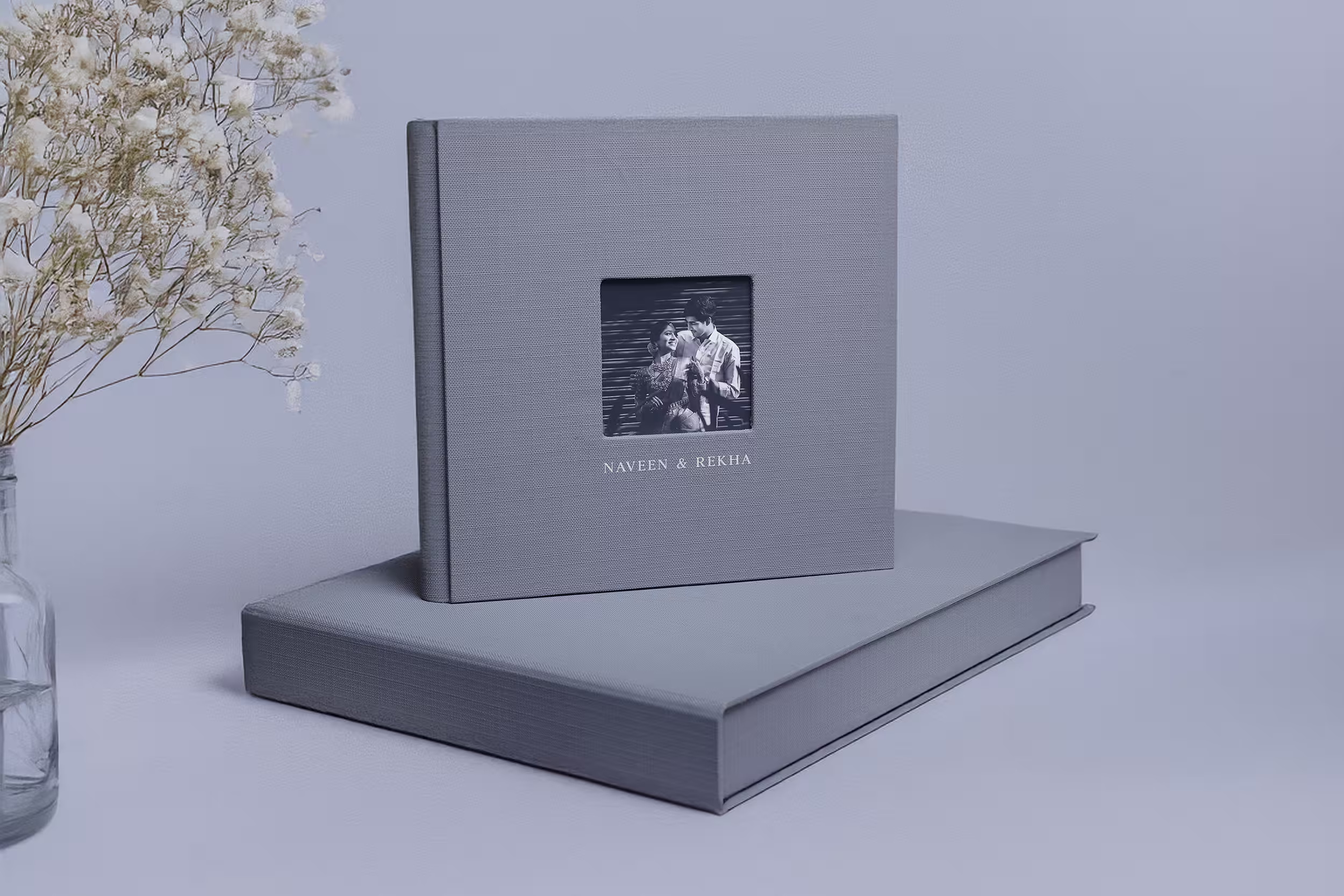
Matching the Material to the Client
Photographers usually approach this backwards. They ask which material is nicest, land on leather or suede because those words sound expensive, and only later discover the client keeps the album on a coffee table under a south-facing window. The question is not which material is best. It is what will happen to this specific book in this specific house.
So ask three things before you show a single swatch. Where will it live? A shelf in a study is a different world from a bright living room. Who will handle it? Grandparents and toddlers handle albums very differently, and both will get to it. Does it travel? A book that flies home in checked luggage has to survive a baggage belt.
Their answers pick the material for you. Bright room, open shelf, many hands, a flight home: rexine — and say so with confidence rather than apologising for it. A client who has already asked about archival paper and intends to keep the book in a study: leather, and they will thank you for the patina in a decade. A client who gasped at the touch of suede and is buying one album she will treat as an object: suede, with the box, and the nine-word sentence at handover. A client who wants the book to feel like it came from a workshop: woven or jute, debossed, no foil unless we have proofed it.
Every one of those is a right answer. The wrong answer is the one you gave without asking.
Quick Comparison
A summary you can keep open on a second screen during a client consultation.
| Material | Durability | Cost | Tactile Feel | Best For |
|---|---|---|---|---|
| Rexine Crest series | Very high — wipes clean, resists oil and damp | Low | Smooth, pressed grain, cool to the touch | High-volume studios, travel and lifestyle work, albums that will be handled by everyone |
| Genuine Leather Echelon | High — but changes with age by design | High | Substantial, slightly waxy, gains sheen with use | Heirloom and legacy albums, collectors, clients who want the book to age with them |
| Suede The Luxe Suede Line | Moderate — marks from oils and water are permanent | High | Soft nap, shifts tone as you brush it | Boxed showpiece albums, careful owners, clients buying one album as an object |
| Woven / Jute Woven Whispers, Jute series | Good — texture hides light wear, but fibres can snag | Low to medium | Coarse, warm, visibly handmade | Intimate weddings, family archives, studios with a natural or artisanal brand |
If you take one thing from this: decide the cover after you know how the album will live, not before. The material is not a finish you apply at the end of the order. It is the part of the book a future generation will touch first — long before they open it and find out who you were.